
Live Blackjack House Edge and Odds: What Australian Players Should Weigh
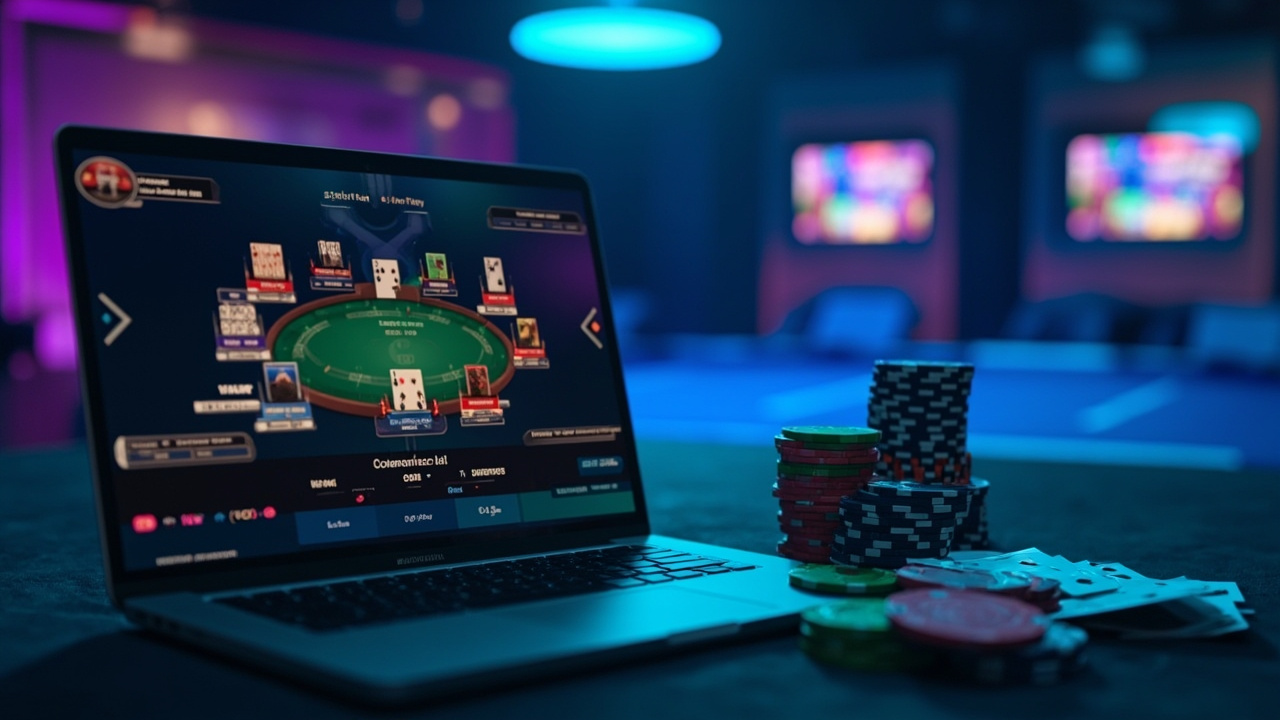
The real draw of live blackjack is that the math is visible rather than hidden. For adult players in Australia, understanding the live blackjack house edge and odds means separating table rules, dealer protocols and bonus mechanics from the noise of promotional copy. I manage high-value iGaming portfolios using CRM, player data and multi-channel communication to improve retention and lifetime value across international markets, and the same discipline applies here: the numbers tell you what the screen cannot. A packed Melbourne tram at rush hour can feel efficient until you realise the doors never open at your stop; odds work the same way when you know where to look.
The Mathematics Behind the Table
Live blackjack odds are dictated by the rules the studio enforces, not by the speed of the stream. A standard eight-deck shoe with the dealer standing on soft 17 and late surrender available typically pushes the house edge toward 0.4 to 0.6 per cent for basic-strategy players, while a six-deck table with the same dealer rule can sit closer to 0.25 per cent if doubling and splitting are paid correctly. The difference sounds small until you run it against a session where a delayed Sydney train would have cost you a full arvo; the edge compounds quietly across hundreds of hands. Side bets, insurance and progressive payouts are where the numbers drift, because those wagers are priced to recover the operator’s overhead rather than to reflect true probability. I build retention models around this exact gap, because players who chase bonus-driven side bets usually erode their own expected value faster than the table rules ever could.Blackjack live online: guida all’esperienza Fivebet
Three rule sets change the arithmetic more than the dealer’s pace ever will. Dealer hits soft 17 adds roughly 0.2 per cent to the house edge, which is why I flag it in player communications before a session rather than after. Late surrender, when offered, trims the edge by about 0.08 per cent, but only if you actually use it on the right hands; using it on a pair of tens is a fast way to hand back the advantage. Resplitting aces, when permitted, is another quiet edge reducer that many players ignore because the studio camera never highlights it. The table below keeps the comparison concrete rather than abstract.
- Eight-deck, dealer stands on soft 17, late surrender: house edge around 0.4 to 0.6 per cent
- Six-deck, dealer stands on soft 17, on our web project resplit aces: house edge closer to 0.25 to 0.4 per cent
- Dealer hits soft 17 with no surrender: house edge climbs toward 0.6 to 0.8 per cent
Callum Watson, Product Analytics Lead, Australian Gaming Futures, puts it plainly: “Players who understand the shoe composition and the surrender window usually keep their variance tighter than those chasing a bonus multiplier on the side bet.” That is the kind of judgement call I make when I segment a portfolio: the odds are not a mystery, but the player’s behaviour around them is where the real leak happens.
How Operators Build the Experience Around the Odds
The studio product is where the math meets the interface, and that is where operators either clarify the odds or bury them under promotional framing. I treat the live table as a controlled environment, much like the account controls I set up for high-value segments: clear limits, visible history, and support that answers before the player has to ask twice. A Saturday queue at a Bunnings sausage sizzle moves slowly because everyone is waiting on the same grill; a live table with unclear rule visibility moves the same way, except the cost is measured in hands rather than minutes. Good operators publish the shoe size, the dealer rule, the payout on blackjack and the surrender window before the first card is dealt, and they keep the loyalty accrual separate from the wagering requirement so the player can see what is real and what is conditional.thepokiesnetreviews.com
Ruby Scott, Risk and Integrity Manager, Waratah Digital Group, notes the operational side: “The edge only stays honest when the table rules are stable and the verification flow does not interrupt a session unpredictably.” That matters for retention because a player who has to re-verify mid-session, or who cannot see why a bonus wagering target changed, will not blame the odds; they will blame the platform. I structure account controls so that deposit limits, session timers and reality checks sit in the same menu as the table lobby, because fragmentation is what turns a disciplined session into a reactive one. Payments and currencies need the same consistency: when the table runs in AUD and the bonus terms convert at a different rate, the odds you thought you understood stop matching the numbers on your account.
Zoe Brown, Customer Experience Lead, Murray River Gaming Research, adds a practical caveat: “Players who want the odds to stay predictable usually prefer a lobby where the rule set is tagged on the table card, not buried in a help page.” That is the kind of design detail I track in multi-channel communication, because a reminder that lands before a session is useful; the same reminder that lands after a losing streak is just noise. The live experience should make the house edge legible, not theatrical.
Who the Numbers Suit Best
This is not a game for someone who wants the rules to change every session or who treats bonus terms as a separate game. The live blackjack house edge and odds suit players who are comfortable with basic strategy, who can sit through a shoe without chasing a side bet, and who want the table to behave the same way on a Tuesday night as it does on a Friday. I make the same call when I segment a portfolio: the players who keep their value high are the ones who treat the odds as a constant and their bankroll as the variable. If you prefer a table where the dealer stands on soft 17, where late surrender is visible, and where the bonus mechanic does not rewrite the odds mid-session, the live format can fit a disciplined session. If you want fast-paced side bets and a rule set that shifts with every promotion, the same table will feel like a delayed Sydney train: you will still arrive, but not on your schedule.
For players who want the odds to stay legible, the table card, the surrender window and the bonus terms need to sit in the same view before you sit down. That is the comparison I use when I judge a product: if the math is clear and the account controls are reachable, the session is easier to manage. If the rule set is hidden behind a lobby animation and the bonus terms convert at a different rate, the odds you thought you understood stop matching the numbers on your account. No platform can remove the house edge, and no responsible-play tool can guarantee a result, but a table that publishes its rules and keeps its terms consistent is easier to read than one that does not.
The live blackjack house edge and odds are not a secret, but they are easy to misread when promotional copy gets in front of the rule card. For Australian adults who want a table they can read rather than one they have to guess at, the right choice is the one that publishes its shoe, its dealer rule and its surrender window before the first hand, and keeps its bonus terms separate from the odds themselves. I would rather have a player who understands the edge and manages their session than one who is chasing a multiplier that the table was never priced to deliver.